Search results
134 results found.

134 results found.
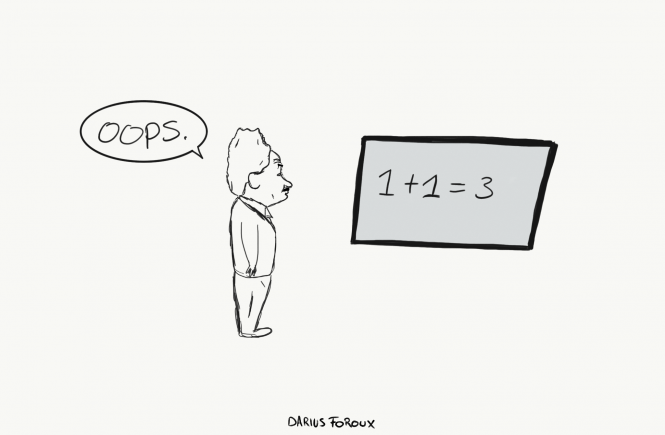
If you believe that only stupid people make these common mistakes, you’re as wrong as I was. The truth is that everyone makes mistakes. Smart people admit that. Stupid people do not.
What’s more, the smartest and most successful people in history have made the most mistakes. Are those two things connected? I think so. This Albert Einstein quote says it all:
“Anyone who has never made a mistake has never tried anything new.”
I used to blame myself for making mistakes in life. I think that’s how our society is. As a kid, you’re punished for making mistakes in school and life. And because of that, we think it’s normal to punish each other as adults.
But why would you punish yourself or another person for making silly mistakes? Most things in life are reversible and small (I’m not talking about committing crimes or adultery here). What matters is that we learn from our mistakes.

The first time I realized that technology has a downside was in 2015. Like almost everybody else, I had a smartphone and thought it was improving my productivity.
By that time, I was already using a smartphone for several years. In the beginning, I only used my device when I needed it—to make calls, send messages, navigate with Google Maps, check the weather forecast, and answer emails when I was on the road.
But gradually, I went from “using my phone when I need it” to “using my phone all the time.”
And that, my friend, is dangerous. Why?
Well, if you don’t watch it, your phone will control you, instead of the other way around. Remember that the purpose of a smartphone, or technology in general, is to SERVE us—not to control our lives.

What’s a big goal or dream that you have? Do you want to start a business? Become a full-time author? Travel the world? Become financially independent? Change careers?
I bet you’ve thought about it, and at some point thought, “I’m not sure I can achieve that.”
If you’re anything like me, you always think about the risks that are involved with making a big move in life. And that’s not a surprise. We’re collectively risk-averse. We truly hate risk. I’ve never met someone who said, “I love to lose everything!”
But what can we do about our risk aversion? If you think about it, most of us are put off by fear. You think of doing something, consider the risks, and decide not to do it. Here are some examples.

About four years ago I decided to read 100 new books a year. I’ve kept up that habit until recently.
I stopped reading two new books a week because I forgot almost everything I learned more than a year earlier. And there’s no way you can remember even a quarter of a book you read three years ago.
I made this discovery this year when I started worrying about random things in my life. I thought, “Didn’t I deal with this issue years ago?”
And I was right, I’ve read a lot about worrying, I’ve coached people, and I even wrote a book about it. But I’m not a machine—I’m not immune to the challenges that we all face. No one is.